October 1, 2026
Local home appraisal services play an important role in real estate transactions by helping determine a property's value within its current market. Buyers can use an appraisal to better understand whether an agreed-upon purchase price is supported by market information, while sellers can gain additional perspective when establishing realistic expectations. Appraisals may also affect refinancing, home equity lending, estate planning, and other financial decisions involving residential property. By examining the home alongside relevant market information, an appraiser provides an independent valuation that can help different parties make informed decisions throughout a transaction.
Understanding the Home Appraisal Process
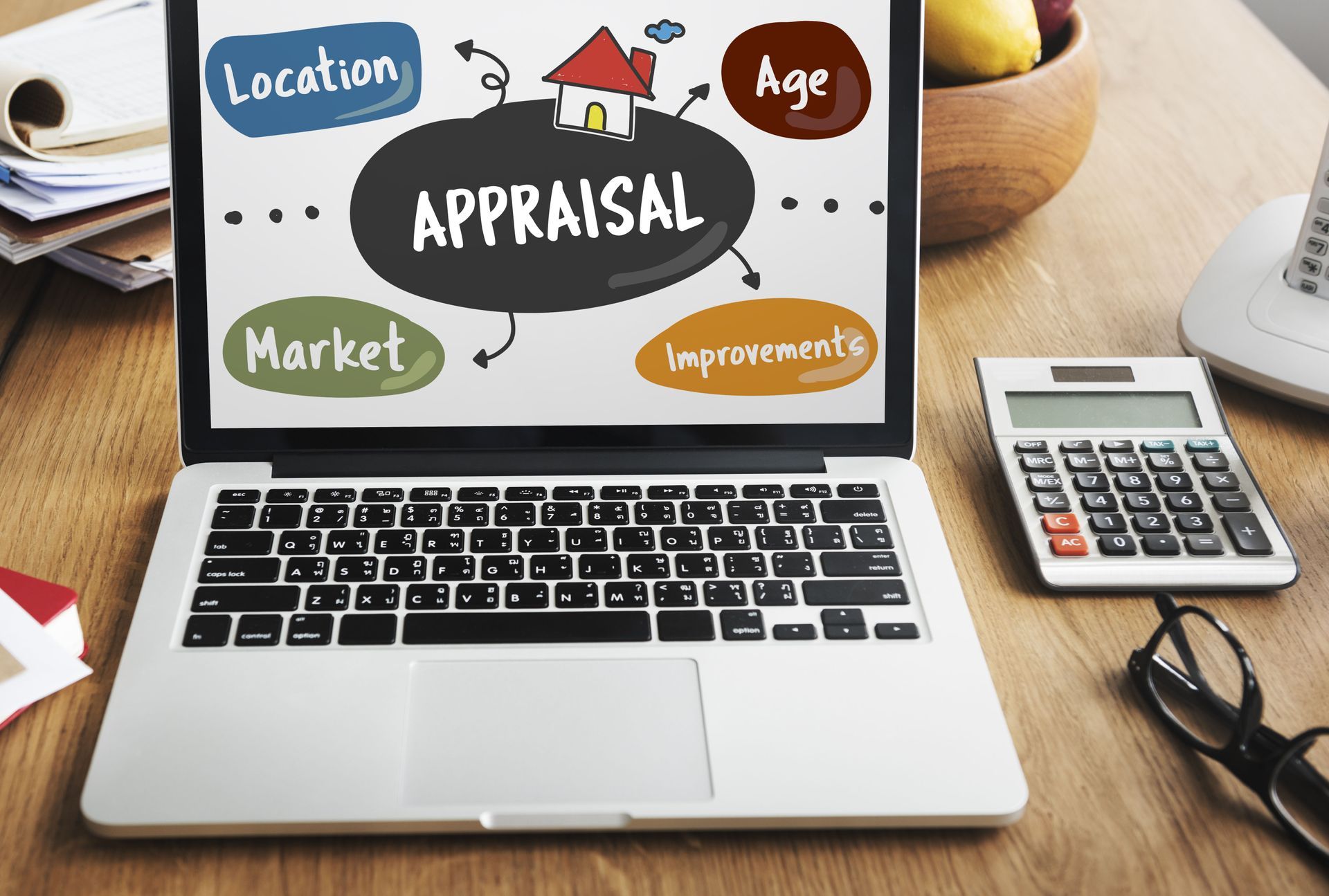
A home appraisal is a professional evaluation designed to estimate the value of a residential property. A licensed or certified appraiser generally considers factors such as location, property size, condition, improvements, features, and recent sales of comparable homes. Rather than relying solely on an owner's expectations or a buyer's offer, the appraiser examines available evidence to develop an independent opinion of value.
Comparable properties, commonly called “comps,” are particularly important during this process. Appraisers examine recent sales of similar homes and make appropriate adjustments for differences in features, condition, size, and other characteristics. Local home appraisal services can also account for market conditions that may vary considerably from one neighborhood or community to another.
Local Knowledge and Property Value
Real estate markets are highly localized, which means conditions in one area may be considerably different from those found only a few miles away. Neighborhood development, school proximity, transportation access, nearby amenities, property demand, and recent sales activity can all influence valuation. Familiarity with these factors helps an appraiser place individual property characteristics within the appropriate market context.
Local knowledge may become particularly useful in communities experiencing redevelopment, rapid construction, changing demand, or limited sales activity. An appraiser must consider not only the physical characteristics of a home but also how those characteristics compare with competing properties. This combination of property-specific information and market data creates a more complete basis for determining value.
Buyer Protection and Fair Market Value
Buyers often depend on an appraisal when determining whether the price negotiated for a property is reasonably supported. Local home appraisal services provide an independent assessment that can identify a difference between an agreed purchase price and the appraised value. This information may become especially important when a mortgage lender requires the property to support the amount being financed.
If an appraisal comes in below the purchase price, several outcomes are possible. The buyer and seller may renegotiate, the buyer may provide additional funds, or the parties may reconsider the transaction depending on the contract and financing arrangements. An appraisal does not make these decisions for the parties, but it provides information they can use when evaluating their options.
Property Condition and Appraisal Findings
An on-site appraisal allows the appraiser to observe characteristics that may not be apparent from public records or listing information. The appraiser may document the home's general condition, dimensions, layout, materials, improvements, and visible features that influence market value. Interior and exterior observations can then be considered alongside market data and comparable sales.
However, an appraisal should not be confused with a home inspection. An appraiser primarily evaluates characteristics that affect value, while a home inspector generally performs a more detailed assessment of the property's physical systems and components. Buyers may therefore use both services for different purposes when evaluating a potential purchase.
Seller Pricing and Market Expectations
Sellers can also benefit from having a clearer understanding of property value before or during the sales process. Local home appraisal services can provide an additional reference point when sellers are considering a listing price or evaluating offers. A valuation grounded in property characteristics and comparable sales can help establish realistic expectations before negotiations progress.
Pricing a home significantly above what current market evidence supports can create challenges, particularly when a buyer requires financing. Conversely, setting a price without understanding recent comparable sales may leave sellers uncertain about whether they are appropriately positioning the property. An appraisal adds another source of objective information that can complement advice from real estate professionals.
Appraisals and Mortgage Financing
Mortgage lenders commonly use appraisals as part of their risk-management process. Because the property generally serves as collateral for a mortgage, the lender needs information about its estimated value before finalizing financing. The appraisal helps determine whether the property provides sufficient support for the proposed loan under the lender's requirements.
A valuation that differs from the contract price does not automatically end a transaction, but it can affect financing. Buyers, sellers, lenders, and real estate professionals may need to review the appraisal and determine what options are available. Local home appraisal services therefore contribute to the lending process by providing an independent valuation for consideration alongside other financial and transaction information.
Research, Inspection, and Comparable Sales
The appraisal process typically involves several stages. Before or after visiting the property, the appraiser gathers information about the home and surrounding market. Public records, property data, recent transactions, neighborhood characteristics, zoning information, and other relevant sources may contribute to the analysis. The appraiser then conducts an on-site observation when required by the assignment.
After examining the property, the appraiser selects appropriate comparable sales and evaluates important differences. A comparable home may have a larger living area, newer improvements, a different lot size, or features that the subject property does not have. Adjustments and analysis help the appraiser account for these differences rather than treating every nearby sale as directly equivalent.
The Appraisal Report and Final Valuation
Once the research and analysis are completed, the findings are organized into an appraisal report. The report generally explains the property being evaluated, the market information considered, the comparable properties selected, and the reasoning supporting the final opinion of value. This documentation gives lenders and other intended users a clearer understanding of how the valuation was developed.
Local home appraisal services can be particularly valuable when a property has characteristics that make straightforward comparisons difficult. Unique architecture, extensive renovations, unusual acreage, accessory structures, or limited nearby sales may require additional analysis. The appraiser must consider the available evidence and determine which information provides the most relevant support for the valuation.
Market Changes and Valuation Challenges
Changing real estate conditions can make property valuation more complicated. Rising or declining prices, fluctuating inventory, changing interest rates, and differences in buyer demand can affect how recent sales relate to current conditions. According to Redfin, on average, the number of homes sold was up 5.2% year over year and there were 308,446 homes sold in May this year. This level of sales activity illustrates why appraisers must consider current transaction trends when evaluating comparable properties and broader market conditions. Appraisers must evaluate the timing and relevance of available market information rather than assuming that an older sale accurately represents today's market.
Limited comparable sales can present another challenge, particularly in rural areas or neighborhoods containing highly distinctive properties. In these circumstances, an appraiser may need to consider sales from a broader geographic area or analyze properties with greater differences. The objective remains to use relevant evidence while clearly accounting for factors that distinguish the subject property from available comparisons.
As real estate markets and appraisal technology continue to evolve, the fundamental purpose of an appraisal remains consistent: developing a supported opinion of value using appropriate property and market information. Understanding how the process works can help buyers and sellers interpret appraisal findings more effectively, prepare for possible valuation differences, and approach important real estate decisions with clearer expectations. Contact our team at Tyke Appraisals today and learn more about our home appraisal services.