April 10, 2026
Buying your first home is an exciting experience, but it involves several important steps that can feel overwhelming, including understanding the home appraisal. An appraisal is a professional evaluation of a property’s market value, typically required by lenders to ensure that the loan aligns with the home’s actual worth. While it may seem intimidating for first-time buyers, learning what to expect can help you feel more confident and prepared. Each step, from preparing your property to reviewing the final report, plays an essential role in safeguarding your investment.
Being informed about the home appraisal process allows you to take actionable steps that protect your interests and avoid surprises. By understanding how appraisers evaluate homes and the factors that influence their decisions, you can anticipate potential issues and provide supporting documentation when needed. Maintaining communication with your lender, real estate agent, and appraiser ensures that the process moves smoothly. A first-time buyer who approaches the appraisal thoughtfully can transform it from a source of stress into a helpful tool for making informed decisions.
Understand the Home Appraisal Process
The home appraisal process is a structured method used to determine a property’s market value accurately. Appraisers examine both the physical characteristics of the home and local market trends. This process typically begins with scheduling a visit, during which the appraiser inspects the home’s interior and exterior. They note details such as square footage, the number of bedrooms and bathrooms, and any upgrades or special features that could influence value. The objective is to provide a fair, unbiased assessment of what the property is worth in the current market.
Appraisers also compare the home to similar properties in the area to determine its market value. This comparative analysis ensures that the appraisal reflects local pricing trends and recent sales. Homeowners can help by providing documentation of recent improvements, maintenance records, or neighborhood features that add value. According to NationWide.com, the home appraisal can take as little as 30 minutes or extend up to a few hours, depending on the home’s size and complexity. Being aware of these steps and timeframes allows first-time buyers to prepare appropriately and approach the process with confidence.
Prepare Your Home for Appraisal
Preparing your home for an appraisal involves more than just cleaning and organizing. A well-maintained and accessible property creates a positive impression and highlights its value. Simple actions, such as decluttering rooms, trimming landscaping, and ensuring proper lighting, can significantly impact the appraiser’s perception. The goal is to showcase your home’s best features while avoiding unnecessary modifications that might not add measurable value.
Preparation also includes gathering documentation that supports your appraisal. This can involve compiling receipts for renovations, energy-efficient upgrades, or other improvements that enhance the home’s market appeal. Providing accurate information and demonstrating attention to detail allows the appraiser to make a thorough evaluation. First-time homeowners who take the time to prepare their property carefully are more likely to receive an accurate and favorable appraisal, which can positively influence financing and negotiation outcomes.
Identify Key Factors That Affect Appraisal Value
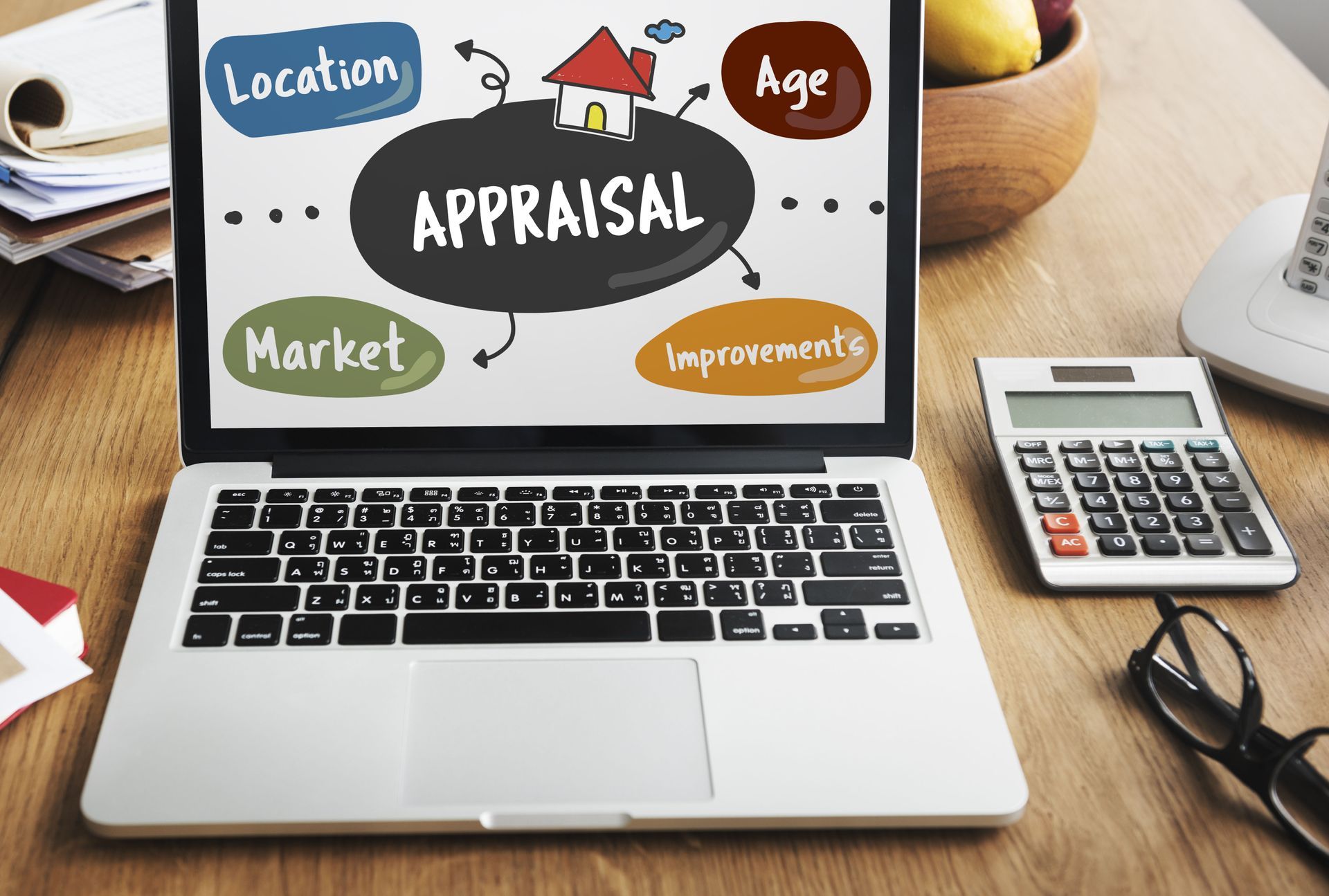
Many elements influence the final determination in a home appraisal, ranging from structural aspects to market dynamics. Appraisers carefully inspect critical features such as the roof, foundation, plumbing, and HVAC systems to evaluate overall condition and longevity. They also consider the home’s location, including proximity to schools, parks, shopping centers, and other community amenities, as these factors can significantly impact buyer demand and perceived value. The size, layout, and age of the property are further considered, as larger homes or those with functional floor plans may be valued higher, while older homes with outdated designs might require adjustments. Even seemingly small details, like curb appeal or exterior maintenance, can subtly influence the appraiser’s assessment.
Specific interior features, such as recently updated kitchens, modern bathrooms, energy-efficient appliances, and high-quality flooring, often enhance the property’s overall market appeal. Appraisers also compare the home to similar properties in the area to ensure the valuation is consistent with local market trends and recent sales. For first-time buyers, understanding which elements carry the most weight in a home appraisal can help prioritize strategic improvements, highlight key assets, and make informed decisions about maintenance or renovations. Thoughtful attention to these factors can ultimately support a stronger appraisal outcome and help buyers feel confident in their investment.
Communicate With Your Appraiser Effectively
Establishing good communication with your appraiser can lead to a more precise and fair home appraisal. While appraisers are independent and must maintain objectivity, being organized, responsive, and cooperative can make the process smoother. Providing clear access to all areas of the home, emphasizing recent upgrades, and answering questions about property features all contribute to an accurate assessment.
Homeowners may also submit information on comparable homes or unique neighborhood characteristics that could influence value. While the appraiser’s judgment is professional and impartial, providing context helps prevent misunderstandings and ensures important details are considered. Developing a positive working relationship with the appraiser allows first-time buyers to feel informed and engaged throughout the process, which can result in a more thorough and reliable evaluation.
Review the Appraisal Report Thoroughly
The appraisal report summarizes the appraiser’s findings, detailing the property’s condition, market value, and comparisons with similar homes. Reading the report carefully helps buyers understand how the final valuation was determined. The document usually includes photographs, notes on repairs or upgrades, and explanations for any adjustments to the home’s value. Being familiar with the report allows homeowners to interpret the appraisal accurately.
Examining specific details, such as modifications made for recent renovations or energy-efficient features, provides insight into how the appraisal was calculated. First-time buyers should ensure all relevant characteristics were noted and verify the information for accuracy. Understanding the report gives buyers the confidence to make informed decisions, whether negotiating a purchase price, addressing financing concerns, or planning future improvements.
Address Appraisal Challenges and Discrepancies
Occasionally, a home appraisal may come in lower than expected, which can create challenges for buyers and sellers. Low appraisals may affect the ability to secure financing, necessitate renegotiation with the seller, or require additional repairs before the loan is approved. Recognizing that discrepancies can happen allows buyers to approach solutions strategically and calmly.
Steps to address appraisal challenges include requesting a reconsideration of value, submitting additional documentation, or obtaining a second appraisal if warranted. Buyers can also work with their lender and real estate agent to explore alternative solutions, such as adjusting the loan amount or negotiating a revised purchase price. Approaching these challenges methodically ensures the home-buying process stays on track while protecting the buyer’s investment and confidence.
Navigating your first appraisal can be stressful, but understanding the process and preparing your property thoroughly helps simplify it. Each stage, from scheduling the visit to reviewing the final report, plays a crucial role in ensuring an accurate valuation. Being organized, communicating effectively, and knowing what appraisers consider important can transform a potentially confusing experience into a clear and manageable step in the home-buying journey.
Remaining proactive throughout the home appraisal allows buyers to feel empowered and make well-informed decisions. By gathering documentation, presenting your property thoughtfully, and engaging with the appraiser, you can influence the appraisal positively while adhering to professional guidelines. We at Tyke Appraisals encourage first-time homeowners to embrace these strategies so that together we can achieve an accurate and fair assessment that supports your purchase goals.