June 2, 2026
Navigating the real estate market requires a clear understanding of how property valuation works. Whether you are aiming to refinance an existing mortgage or preparing to sell your property, establishing an accurate market value is a critical part of the process. A professional evaluation provides lenders and buyers with an unbiased assessment of what the property is worth in the current economic climate. Many homeowners overlook the importance of early preparation, assuming that structural elements are the only things that matter. However, how a property is presented can influence the overall impression left on a certified evaluator. Taking the time to properly set the stage ensures that all the positive aspects of your property are fully recognized. By understanding what inspectors look for, you can approach the valuation date with complete confidence.
Understanding the Valuation Process
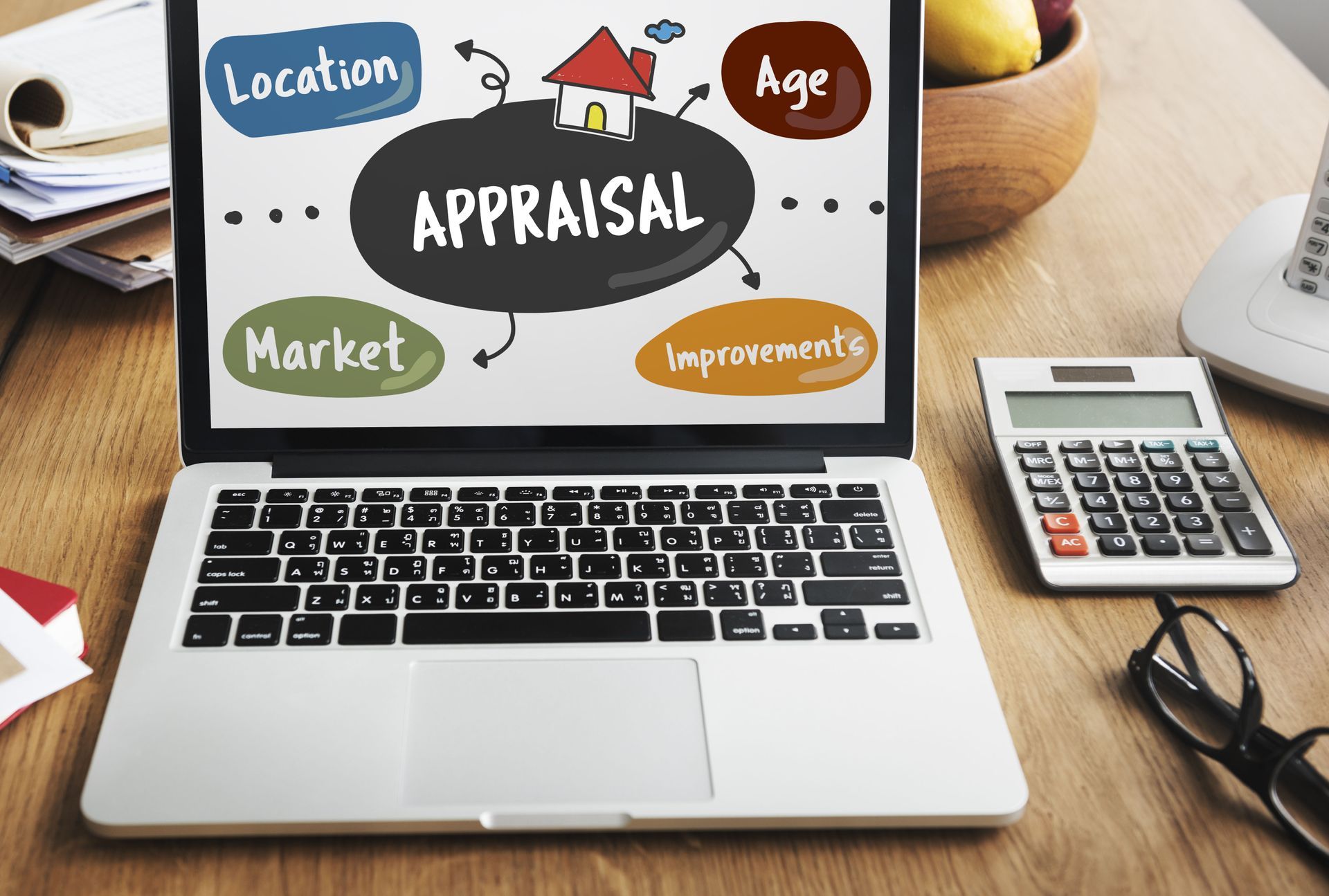
Before diving into physical preparations, it helps to understand what happens during official home appraisals. A certified professional visits your property to evaluate its overall condition, architectural integrity, and unique characteristics. This evaluation is not a home inspection meant to find hidden defects, but rather a high-level assessment of marketability. The final report heavily influences how much money a bank is willing to lend to a prospective buyer. Because so much relies on this single visit, ensuring your property looks its best relative to the neighborhood is essential. Scheduled home appraisals serve as the definitive benchmark for your property equity, making initial impressions highly impactful.
Maximizing Interior Cleanliness and Order
Walking into a clean, well-organized house instantly signals to an inspector that the property receives regular care. Clutter does not change the square footage, but it can obscure architectural features and make rooms feel significantly smaller than they actually are. Ensuring that hallways are clear and floors are swept allows the inspector to move through the property without obstruction. Clean surfaces also make it easier to view the quality of the flooring and baseboards. When scheduling home appraisals, homeowners should ensure that every room is tidy and free of excess personal items. A sparkling interior allows the true asset value of the structure to shine through during the walk-through.
Enhancing First Impressions Through Curb Appeal
The exterior of your property is the very first thing an inspector sees upon arrival. A well-maintained lawn, trimmed bushes, and a clear driveway set a positive tone before the professional even steps inside. Neglected landscaping can give the impression that the rest of the property suffers from deferred maintenance. Ensuring that the front door is clean and the siding is free of visible dirt can make a surprising difference. Property owners preparing for home appraisals often focus heavily on the interior while neglecting the power of initial curb appeal. A neat exterior invites the inspector into a space that feels valued and protected.
Documenting Recent Structural Upgrades
Inspectors are numbers-driven, meaning that tangible proof of recent property improvements can be incredibly useful. Compiling a detailed file that contains permits, invoices, and material receipts gives the professional concrete data to work with. If you have recently replaced the roof, updated the electrical panel, or installed a new heating system, this paperwork validates those investments. Handing over an organized folder during home appraisals ensures that hidden upgrades are not overlooked during the physical tour. This documentation provides clear evidence that the property has been modernized, which supports a higher valuation. It transforms invisible structural work into verifiable financial assets.
Ensuring All Basic Utilities Are Operational
During the walkthrough, the professional will check to ensure that core household systems are working correctly. This includes testing light switches, flushing toilets, turning on faucets, and verifying that the heating and cooling systems respond appropriately. A non-functioning light fixture might seem minor, but it can raise questions about the integrity of the underlying electrical system. Ensuring that all utilities are fully active is a fundamental step when preparing for home appraisals. If the inspector encounters non-operational systems, it can delay the final report or result in a lower structural score. Checking these basic functions ahead of time prevents avoidable negative marks.
Providing Safe and Easy Access to All Areas
An evaluator needs to inspect every corner of the property, including spaces that are typically used for long-term storage. This means areas like crawl spaces, attics, basements, and utility closets must be easily accessible. If an attic hatch is blocked by heavy furniture, the professional may have to schedule a return visit, causing unnecessary delays. According to NationWide.com, the home appraisal can take as little as 30 minutes or up to a few hours, meaning efficiency during the visit is incredibly important. Clearing pathways to your water heater, electrical panel, and HVAC unit allows the professional to maximize their time on-site. Facilitating quick access ensures a smooth, seamless inspection process from start to finish.
Addressing Visible Safety Features
Safety compliance is a major focal point during official property evaluations, especially for loans backed by government programs. Inspectors will verify the presence and proper placement of smoke detectors, carbon monoxide alarms, and fire extinguishers. Handrails on staircases must be secure, and windows must open and close without sticking. Ensuring these safety elements are in perfect working order is a core component of successful home appraisals. A missing alarm can trigger a conditional report, requiring a secondary inspection once the issue is resolved. Securing these items beforehand proves that the residence meets local safety codes and is ready for occupancy.
Fixing Minor Cosmetic Imperfections
While an evaluator looks at the big picture, a collection of small cosmetic flaws can accumulate into a negative impression. Peeling paint, cracked window panes, torn window screens, and loose cabinet hinges are easily noticed during a walk-through. Addressing these minor blemishes shows that the property is meticulously maintained on a day-to-day basis. Property owners scheduling home appraisals benefit greatly from walking through the house with a critical eye ahead of time. Eliminating small visual distractions allows the appraiser to focus on the overall quality and layout of the home. It prevents minor issues from compounding into a perception of overall property neglect.
Highlighting Functional Space and Room Utility
Every room should have a clearly defined purpose that showcases the usable square footage of the property. If a spare bedroom is currently being used as a chaotic storage dumping ground, it can be difficult to visualize it as a functional living space. Staging the area as a clear guest room or a distinct home office helps demonstrate the property's versatility. Evaluators appreciate spaces that flow logically and display clear residential utility during home appraisals. Highlighting the adaptability of your floor plan emphasizes how the property accommodates modern lifestyle needs. Presenting organized, purposeful rooms helps maximize the perceived utility of the interior layout.
Compiling Local Neighborhood Highlights
While the physical structure is the primary focus, the surrounding neighborhood also plays a significant role in final home appraisals. Providing information about nearby parks, high-performing school districts, recent infrastructure improvements, or new shopping centers can be helpful. If your property sits in a historical district or has unique zoning advantages, sharing this context adds value. Evaluators utilize local market data, but personal insights into community growth can provide helpful background information. Sharing these neighborhood perks during home appraisals reinforces why the location is desirable to future buyers. It helps frame the property within its broader, thriving community context.
Preparing your property for an official evaluation is a strategic process that requires a careful, methodical approach. From deep cleaning the interior to ensuring easy access to utility closets, every small adjustment contributes to a successful outcome. Approaching home appraisals with an organized plan ensures that your hard-earned property equity is accurately documented and rewarded. By presenting a safe, clean, and fully operational home, you minimize the risk of delays or undervalued reports. Investing time into a presentation pays off by providing a smooth transaction for sellers, buyers, and lenders alike. For a precise, professional valuation conducted by experienced industry experts, contact Tyke Appraisals to schedule your upcoming property assessment.